What in transit really means, the milestones before and after it, what ETD, ATD, ETA and ATA stand for, and how to present shipment statuses so customers can learn where their cargo is.
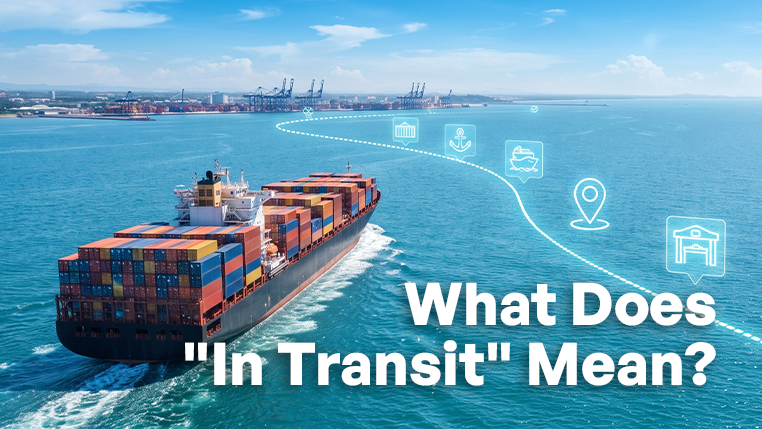
In transit means the shipment has left the point where it was last handled and has not yet arrived at the next one. For a container it is the stretch between departure from the origin terminal and discharge at the destination port. For a parcel it is the gap between two scans. The status is accurate, and it is also the least informative one a customer can receive.
Most "where is my cargo" emails arrive while the status reads in transit. This guide explains what in transit covers, the milestones before and after it, what ETD, ATD, ETA and ATA mean, and how to present statuses to customers.
In transit meaning in shipping
Every tracking system is a chain of events. Each event is recorded when a party physically handles the cargo: a terminal gate, a vessel, a warehouse, a customs system, a delivery driver. In transit is the label for the time between two of those events. Nothing has gone wrong; the cargo is simply somewhere that does not generate a scan.
For ocean freight in transit can last five to six weeks on a long routing. For air it can be a few hours. For a courier parcel between two hubs it is usually less than a day. The word is the same, the expectation is not, and that mismatch is what generates the questions.
What in transit does not tell you:
- Whether the vessel is on schedule
- Whether a transshipment connection was made
- Whether customs at destination has already selected the shipment for inspection
- Whether the ETA has moved
Those answers sit in the other milestones, which is why a feed that only ever shows in transit is not tracking.
Shipment status terms in order
The following statuses appear, in roughly this sequence, on ocean and multimodal shipments. Air and road use a shorter version of the same chain.
Booked
The carrier has accepted the booking and assigned a vessel, voyage and cut-off dates. No cargo has moved.
Empty picked up
The trucker has collected the empty container from the depot. FCL only.
Gate in (origin)
The loaded container has entered the origin terminal, the first physical event. For LCL the equivalent is received at CFS; for air it is received from shipper (RCS in IATA status codes).
Loaded on vessel
The container is on board. Many systems switch to in transit from this point.
ETD and ATD
ETD is the Estimated Time of Departure, the planned sailing or flight date at the time of booking. ATD is the Actual Time of Departure, recorded once the vessel or aircraft has left. Until ATD is recorded, the ETD is a plan and can move.
In transit
The cargo is between departure and arrival. On ocean, the vessel's position is visible through AIS, but the container itself generates no events unless it is transshipped.
Transshipment
The container is discharged at an intermediate port and loaded onto a second vessel. Each transshipment adds its own gate in, loaded and departed events. A missed connection here is the most common reason an ETA slips by a week or more with no visible status change, so a routing with transshipment should be flagged to the customer at booking.
ETA and ATA
ETA is the Estimated Time of Arrival at the destination port or airport. ATA is the Actual Time of Arrival, recorded when the vessel berths or the aircraft lands. ETA is revised throughout the voyage; ATA is recorded once. When a customer asks when the cargo will arrive, they want the current ETA, not the one printed on the booking confirmation.
Discharged
The container has been unloaded and is in the terminal yard. Discharged does not mean available: it may still be waiting for customs release, a terminal hold or a carrier release for unpaid freight.
Customs hold / customs released
The import declaration has been lodged and the shipment is either cleared or selected for documentary or physical examination. After transshipment, this is the second most common source of unexplained delay. The process is covered in the customs clearance guide.
Gate out
The container has left the destination terminal on a truck. Free time for demurrage stops; free time for detention starts.
Out for delivery
Road and courier: the shipment is on the final vehicle.
Delivered
The consignee has signed for the goods. The proof of delivery closes the file and starts the invoicing clock.
Empty returned
The empty container is back at the carrier's depot and detention stops. For FCL this is the true end of the shipment, even though the customer stopped watching at delivery.
In transit in air freight: IATA status codes
Air freight replaces the ocean milestones with IATA status codes: BKD (booked), RCS (received from shipper), MAN (manifested), DEP (departed), ARR (arrived), RCF (received from flight), NFD (consignee notified), DLV (delivered). In transit on an air shipment is the gap between DEP and ARR, and on a multi-leg routing it includes the time on the ground at the transit airport between RCF and the next DEP. The air freight guide walks through the full flow.
In transit vs out for delivery
In transit covers the whole journey between handling points and can last weeks. Out for delivery is a single-day status meaning the shipment is on the final vehicle heading to the consignee's address. A parcel can move from in transit to out for delivery and back if the delivery attempt fails.
Turning statuses into fewer customer questions
A status email that says in transit three times in ten days tells the customer nothing and trains them to ignore your updates. Milestones are what customers want: gate in, ATD, a current ETA, discharge, customs release, delivery.
The practical fix is to give customers the milestone feed directly rather than sending more emails. Container events from carrier and terminal systems, the customs status from your own declaration, and the delivery POD, in one timeline the customer opens themselves. That is what Modaltrans Container Tracking feeds into the client portal: the customer sees each milestone on their own shipment, and the in transit question stops being an email to the operations desk. Why that visibility matters for the operation itself is covered in why container tracking is critical for logistics management.