02 Sep 26
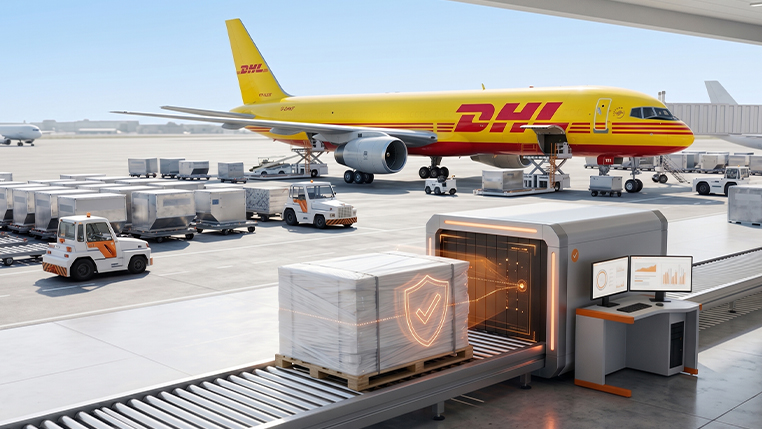
What Is an Established Business Relationship (EBR)?
An Established Business Relationship (EBR) verifies who is tendering air cargo, but it doesn't replace screening. This guide compares EU, US, Canadian and Australian rules, explains the Lufthansa Cargo EBR OK format, and clarifies how EBR differs from Known Consignor status.

31 Aug 26
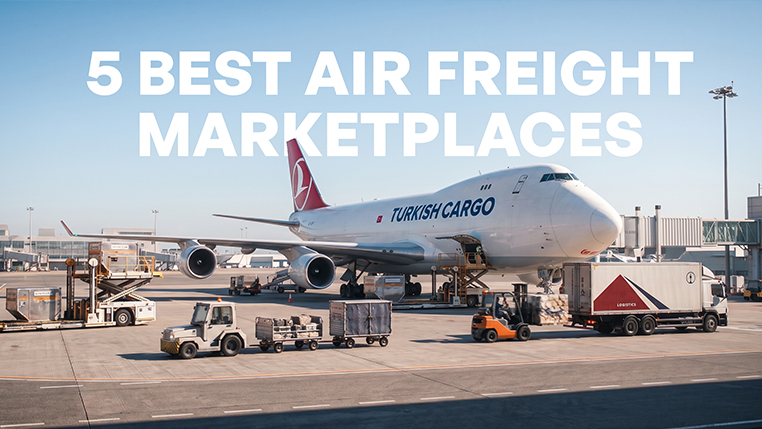
5 Best Air Freight Marketplaces for Freight Forwarders
Choosing the right air freight marketplace depends on your volumes, main routes and accreditation status. This guide compares WebCargo, Cargo.one, CargoAi, AirRates and CargoBooking.aero on airline coverage, live eBooking, non-IATA payment support and contract rate management side by side.


07 Aug 26
WhatsApp Integration Is Now Live in Modaltrans
Modaltrans WhatsApp Integration is now live. Give your customers instant access to shipment tracking, quotes, customs documents, and more directly through your company's WhatsApp number.

14 Jul 26
NCTS, ENS and T1 Explained: Customs Declarations from China to the EU - Step by Step
Moving a container from China to the EU takes at least five customs filings. This guide follows a real Shanghai-to-Germany scenario step by step — export declaration, ENS, arrival notification, NCTS T1 transits and final import — with a stage-by-stage summary table.

13 Jul 26
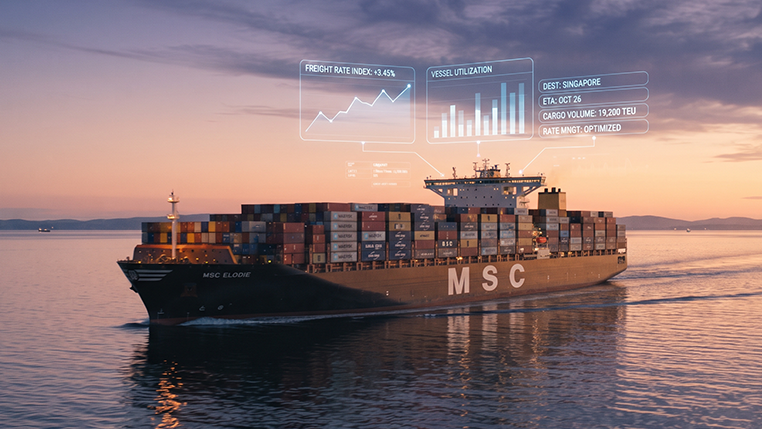
Comparison of Ocean Rate Management Services
Ocean rates change faster than any other mode — GRIs, surcharge stacks and crisis premiums can double costs overnight, as the March 2026 Hormuz surcharges showed. This guide compares seven rate management platforms across three categories: market intelligence (Xeneta, Freightos Terminal), operational quoting (Freightify, Okargo, Cargofive) and marketplaces (SeaRates, Freightos.com). It covers what each does well, how they price, which questions to ask before a demo, and the most common mistake forwarders make when choosing.


10 Jul 26
How Much Does The SpaceX Charge Per Kg To Space
Space transportation is becoming the unofficial sixth mode of global logistics. This guide breaks down what it costs to send cargo to space in 2026 — from Falcon 9's $3,245 per kilogram to Falcon Heavy's $1,520 and the $7,000/kg rideshare program — along with the hidden costs of orbit, insurance, and integration. Written from a freight forwarder's perspective, it draws parallels with LCL shipping, dead freight, and no-show penalties, and looks ahead to the Starfall capsule and the rise of reverse space logistics.


24 Jun 26
Your Sales Team Has Targets, Now You Can Actually Track Them.
Managing a freight forwarding sales team means juggling activities, quotes, and regional targets across multiple people and markets. Modaltrans' new Sales Team Performance Monitoring feature gives companies a clear view of what their team is doing — from calls and meetings to quotes sent and accepted — along with rejection reasons and country-level revenue tracking.


06 Oct 25
5 Major Sea Ports in India
India’s maritime trade thrives on its extensive coastline and strategically positioned ports that connect the nation to global markets. This blog highlights five major sea ports—JNPT, Chennai, Visakhapatnam, Mundra, and Kolkata—that serve as gateways for containerized cargo, bulk goods, and energy resources. Each port brings unique strengths, from JNPT’s global shipping connections to Visakhapatnam’s natural harbor and Mundra’s private sector scale, collectively shaping India’s logistics and trade ecosystem. Together, these ports stand as pillars of the nation’s supply chain, ensuring efficient cargo handling and driving economic growth.

09 Jun 26
Why Container Tracking is Critical for Logistics Management?
Container tracking is the backbone of modern logistics, delivering real-time visibility into container location and status from origin to final mile. Using GPS, RFID, and IoT data, teams can preempt delays, secure high-value loads, optimize routes and schedules, and cut idle time and costs. The same data improves inventory planning and ETA accuracy for customers while creating an audit-ready trail for regulatory compliance. Bottom line: tighter control, fewer surprises, and a faster, safer supply chain.
Read More
.avif)
.avif)

Best Saas Of the Year