Logistics Technology



300+

Trusted By 300+ Companies

09 Jun 26
Why Container Tracking is Critical for Logistics Management?
Container tracking is the backbone of modern logistics, delivering real-time visibility into container location and status from origin to final mile. Using GPS, RFID, and IoT data, teams can preempt delays, secure high-value loads, optimize routes and schedules, and cut idle time and costs. The same data improves inventory planning and ETA accuracy for customers while creating an audit-ready trail for regulatory compliance. Bottom line: tighter control, fewer surprises, and a faster, safer supply chain.
Read More

02 Oct 26
Why Freight Forwarders Need Self-Service Reporting
Built-in reports are designed for the average user, not your operation. This guide explains why self-service reporting — with flexible objects, fields, and access control — beats waiting on a vendor's ticket queue.

25 Sep 26
Embeddable Shipment Tracking Pages: Give Customers Real-Time Visibility Without API Integration
A tracking page is only useful if it reflects real data. This piece breaks down why most website tracking pages fail without TMS integration, and how a single embeddable HTML component fixes it — no API, no dev team, no full portal access required.

28 Sep 26
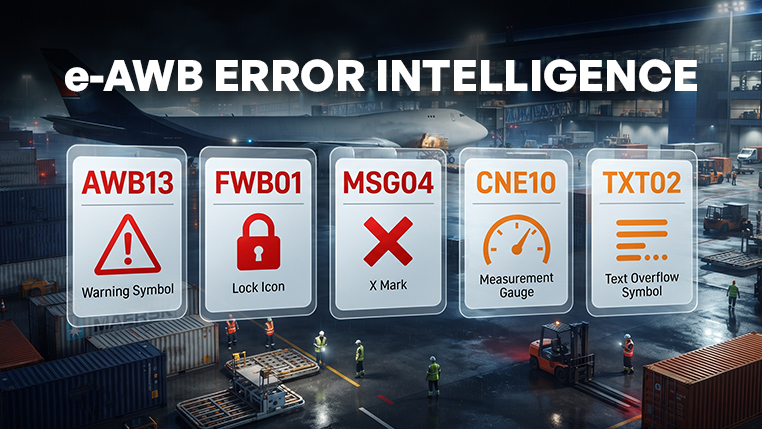
FWB (e-AWB) Error Codes: Complete Reference Guide
IATA's FWB error code standard covers 150+ codes — but only a handful actually halt an operation. This guide gives you the complete reference table plus practical explanations of the five most critical errors.

31 Aug 26
5 Best Air Freight Marketplaces for Freight Forwarders
Choosing the right air freight marketplace depends on your volumes, main routes and accreditation status. This guide compares WebCargo, Cargo.one, CargoAi, AirRates and CargoBooking.aero on airline coverage, live eBooking, non-IATA payment support and contract rate management side by side.


07 Aug 26
WhatsApp Integration Is Now Live in Modaltrans
Modaltrans WhatsApp Integration is now live. Give your customers instant access to shipment tracking, quotes, customs documents, and more directly through your company's WhatsApp number.
13 Jul 26
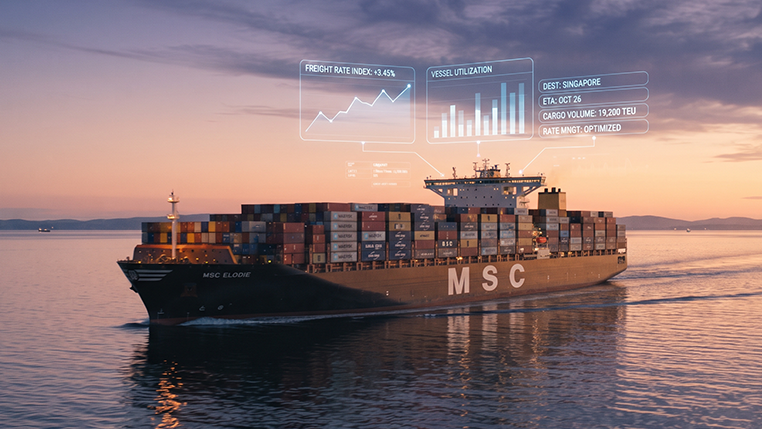
Comparison of Ocean Rate Management Services
Ocean rates change faster than any other mode — GRIs, surcharge stacks and crisis premiums can double costs overnight, as the March 2026 Hormuz surcharges showed. This guide compares seven rate management platforms across three categories: market intelligence (Xeneta, Freightos Terminal), operational quoting (Freightify, Okargo, Cargofive) and marketplaces (SeaRates, Freightos.com). It covers what each does well, how they price, which questions to ask before a demo, and the most common mistake forwarders make when choosing.

09 Jun 26
Why Container Tracking is Critical for Logistics Management?
Container tracking is the backbone of modern logistics, delivering real-time visibility into container location and status from origin to final mile. Using GPS, RFID, and IoT data, teams can preempt delays, secure high-value loads, optimize routes and schedules, and cut idle time and costs. The same data improves inventory planning and ETA accuracy for customers while creating an audit-ready trail for regulatory compliance. Bottom line: tighter control, fewer surprises, and a faster, safer supply chain.


06 Oct 25
Streamline Your Business with Freight Invoice Automation – the Advantages You Need to Know
Freight invoice automation is transforming logistics by eliminating manual data entry, costly errors, and delayed payments. By leveraging AI, OCR, and machine learning, businesses can streamline invoice processing, enhance accuracy, and uncover hidden savings. For freight forwarders and shippers, adopting freight invoice automation means faster approvals, reduced costs, and stronger carrier relationships.

.avif)
.avif)

Best Saas Of the Year