
24 Jun 26
Your Sales Team Has Targets, Now You Can Actually Track Them.
Managing a freight forwarding sales team means juggling activities, quotes, and regional targets across multiple people and markets. Modaltrans' new Sales Team Performance Monitoring feature gives companies a clear view of what their team is doing — from calls and meetings to quotes sent and accepted — along with rejection reasons and country-level revenue tracking.


06 Oct 25
5 Major Sea Ports in India
India’s maritime trade thrives on its extensive coastline and strategically positioned ports that connect the nation to global markets. This blog highlights five major sea ports—JNPT, Chennai, Visakhapatnam, Mundra, and Kolkata—that serve as gateways for containerized cargo, bulk goods, and energy resources. Each port brings unique strengths, from JNPT’s global shipping connections to Visakhapatnam’s natural harbor and Mundra’s private sector scale, collectively shaping India’s logistics and trade ecosystem. Together, these ports stand as pillars of the nation’s supply chain, ensuring efficient cargo handling and driving economic growth.

09 Jun 26
Why Container Tracking is Critical for Logistics Management?
Container tracking is the backbone of modern logistics, delivering real-time visibility into container location and status from origin to final mile. Using GPS, RFID, and IoT data, teams can preempt delays, secure high-value loads, optimize routes and schedules, and cut idle time and costs. The same data improves inventory planning and ETA accuracy for customers while creating an audit-ready trail for regulatory compliance. Bottom line: tighter control, fewer surprises, and a faster, safer supply chain.

06 Aug 26
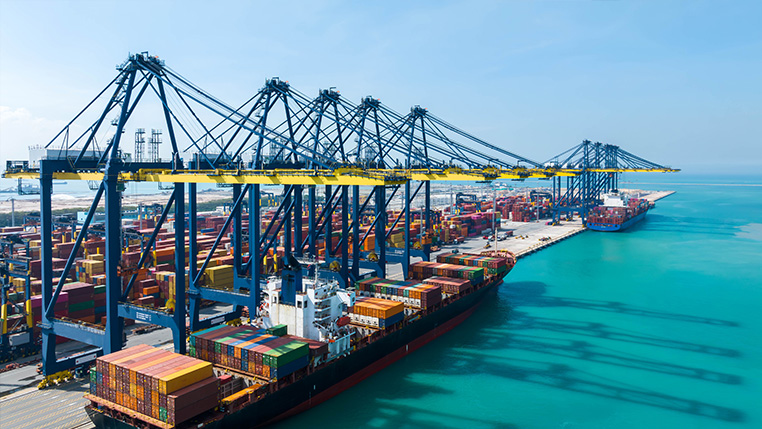
Top 10 Major Sea Ports in USA
The U.S. relies heavily on its maritime gateways, with ports handling millions of TEUs and vast amounts of cargo every year. From the Pacific Coast to the Gulf of Mexico and the Atlantic, each port plays a unique role in driving international trade. This guide provides a detailed look at the top 10 major sea ports in the USA, detailing their strategic importance, unique capabilities, and critical role in the global supply chain.

04 May 26
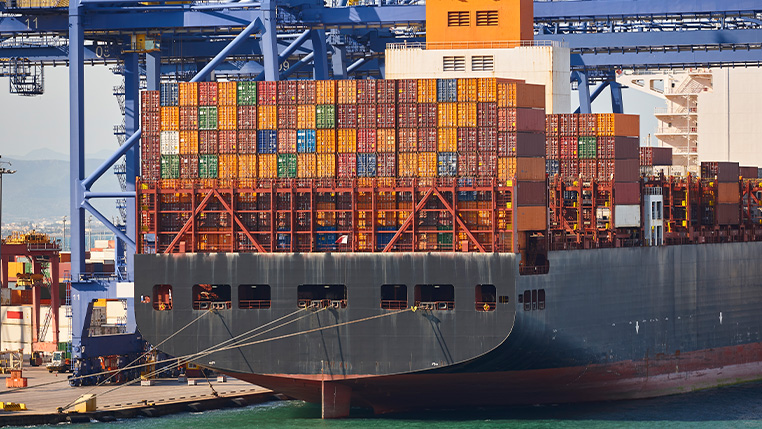
Top 5 Major Ports in Germany
As Europe's economic powerhouse, Germany's strategic position and world-class port infrastructure are vital for global trade. The Top 5 Major Ports in Germany serve as critical gateways for international commerce, handling vast volumes of cargo and connecting the continent to the world. This guide provides an in-depth look at these key maritime hubs, detailing their strategic importance, unique capabilities, and technological advancements that drive the modern supply chain.


31 Oct 25
The Rise of Fourth Party Logistics: What You Need to Know
As global supply chains become more complex, traditional logistics models are evolving. Fourth-Party Logistics (4PL) has emerged as a transformative solution, acting as a single, central point of contact to manage a company’s entire supply chain. This guide explores the critical difference between 4PL and 3PL, the key benefits of this model, and why it's becoming an indispensable strategy for modern businesses seeking greater efficiency and control.

31 Oct 25
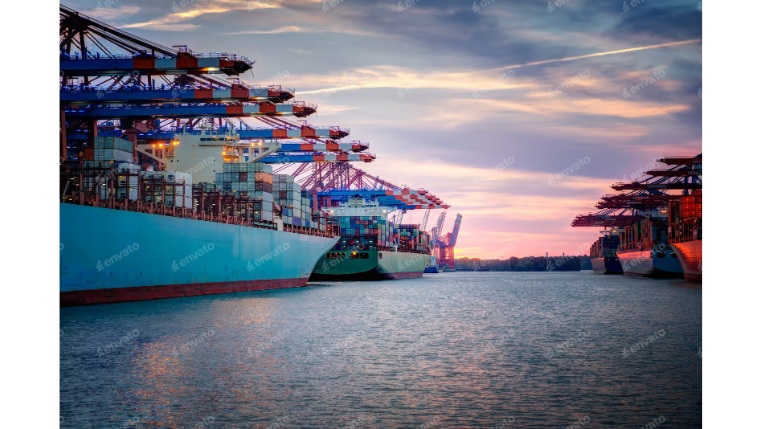
What Is SCAC Code? 2024 List Lookup, Who Needs and How It Works
In the complex world of freight and transportation, a single, four-letter code holds immense power: the SCAC Code. This unique identifier for transportation companies is the backbone of modern logistics, facilitating everything from customs filings to seamless cargo tracking. This comprehensive guide explores what an SCAC code is, its vital role in the 2024 supply chain, who needs one, and how it works to ensure efficiency and compliance.
06 Oct 25
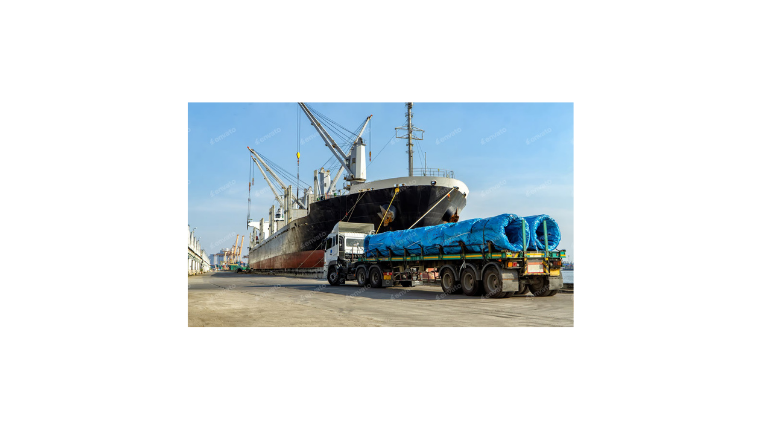
What Is LCL Shipping? A Guide to Less-Than-Container Load
In the world of freight logistics, not every shipment is large enough to fill an entire container. LCL shipping, or Less-than-Container Load, offers a flexible and cost-effective solution for businesses transporting smaller volumes of goods. This guide will demystify LCL shipping, explaining how it works, its key benefits, and the potential challenges to help you make an informed decision for your cargo.

09 Jun 26
Why Container Tracking is Critical for Logistics Management?
Container tracking is the backbone of modern logistics, delivering real-time visibility into container location and status from origin to final mile. Using GPS, RFID, and IoT data, teams can preempt delays, secure high-value loads, optimize routes and schedules, and cut idle time and costs. The same data improves inventory planning and ETA accuracy for customers while creating an audit-ready trail for regulatory compliance. Bottom line: tighter control, fewer surprises, and a faster, safer supply chain.
Read More
.avif)
.avif)

Best Saas Of the Year