06 Oct 25
Streamline Your Business with Freight Invoice Automation – the Advantages You Need to Know
Freight invoice automation is transforming logistics by eliminating manual data entry, costly errors, and delayed payments. By leveraging AI, OCR, and machine learning, businesses can streamline invoice processing, enhance accuracy, and uncover hidden savings. For freight forwarders and shippers, adopting freight invoice automation means faster approvals, reduced costs, and stronger carrier relationships.


06 Oct 25
How a Transparent Negotiation Process Builds Trust and Drives Success in Logistics
In the complex world of logistics, trust is the most valuable currency. A transparent negotiation process is the foundation upon which that trust is built, transforming a competitive dynamic into a collaborative partnership. This guide explores the core principles of negotiation transparency, explaining why it's a strategic asset that enhances efficiency, reduces disputes, and strengthens long-term business relationships in the modern supply chain.


17 Jun 26
Navigating the ISF Filing Process: A Step-by-Step Guide
For any business importing goods into the United States by ocean, understanding the Importer Security Filing (ISF) is non-negotiable. This critical document is a requirement from U.S. Customs and Border Protection (CBP) and is essential for both compliance and supply chain security. This guide provides a comprehensive overview of navigating the ISF filing process, from gathering the necessary information to ensuring compliance and avoiding costly penalties.

06 Oct 25
The Benefits of Expedited Shipping
In the fast-paced world of e-commerce, expedited shipping has become a game-changer for businesses aiming to meet customer expectations and stand out from the competition. This guide explores the significant advantages of offering expedited shipping options, from enhancing customer satisfaction and boosting your brand's reputation to streamlining your inventory management.


06 Oct 25
Modaltrans: Revolutionizing Logistics Invoicing
Invoice management in logistics has long suffered from inefficiencies, errors, and disputes — but Modaltrans changes the game. By automating invoicing, integrating data seamlessly, and providing robust tracking, it eliminates friction and strengthens trust across the supply chain. Beyond invoicing, Modaltrans also transforms customs operations, simplifying NCTS submissions and GMVS compliance. This dual impact makes it a powerful tool for logistics professionals seeking efficiency, accuracy, and resilience in international trade.
06 Oct 25
What Is Containerized Freight?
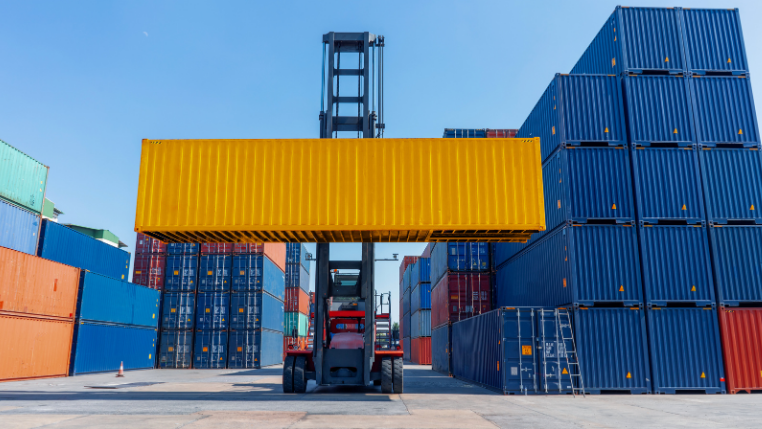
In the world of global logistics, few innovations have had as profound an impact as containerization. Containerized freight is the standardized system of transporting goods in steel containers, which has made international trade faster, safer, and more affordable. This guide will explore what containerized freight is, its key benefits, the different types of containers, and how this process works in today's complex global supply chain.

06 Oct 25
What Is Refrigerated Transport? Your Guide to Cold Chain Logistics
In the world of logistics, transporting sensitive goods is a high-stakes operation. Refrigerated transport, also known as cold chain logistics, is the specialized method that ensures perishable and temperature-sensitive products remain safe and effective from origin to destination. This guide demystifies the concept, explores the key benefits of this service, and highlights the many industries that rely on it.
06 Oct 25
What is Overnight Shipping?
In the fast-paced world of e-commerce and logistics, next-day delivery has become a competitive necessity. Overnight shipping, a premium service that guarantees delivery by the next business day, is the backbone of this demand. This guide provides an in-depth look at what overnight shipping is, how the process works, and why it has become an indispensable tool for businesses aiming to meet customer expectations and gain a competitive edge.
09 Jun 26
Why Container Tracking is Critical for Logistics Management?
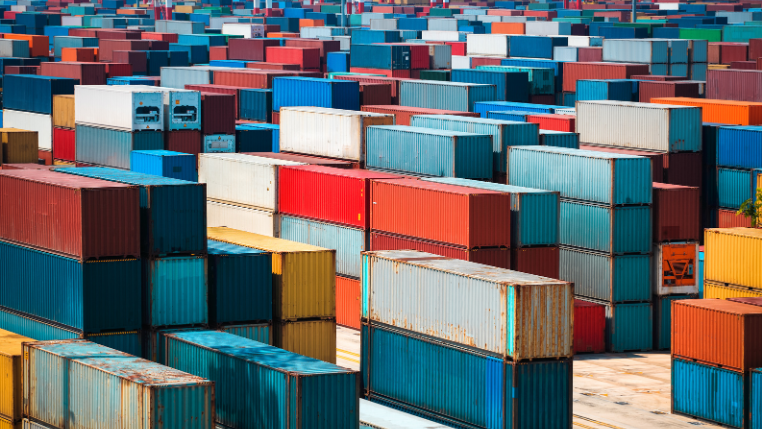
Container tracking is the backbone of modern logistics, delivering real-time visibility into container location and status from origin to final mile. Using GPS, RFID, and IoT data, teams can preempt delays, secure high-value loads, optimize routes and schedules, and cut idle time and costs. The same data improves inventory planning and ETA accuracy for customers while creating an audit-ready trail for regulatory compliance. Bottom line: tighter control, fewer surprises, and a faster, safer supply chain.
Read More
.avif)
.avif)

Best Saas Of the Year