
04 Jun 26
Customs Operations Guide
Modaltrans is redefining customs declarations and Goods Movement Verification System (GMVS) processes in international trade. By automating compliance, ensuring accuracy, and centralizing regulatory requirements, it simplifies one of the most complex areas of global logistics. From NCTS customs submissions to GMVS record-keeping, Modaltrans empowers businesses with automation, real-time visibility, and fortified data security. This innovation not only minimizes errors and delays but also strengthens compliance and builds efficiency across the global supply chain.

04 Jun 26
Streamlining Logistics with Automated Manifest System
The Automated Manifest System (AMS) is a game-changer in international logistics, enabling electronic data submission for imports and exports. By digitizing customs documentation, AMS improves compliance, accelerates cargo clearance, and provides real-time visibility into shipments. Businesses benefit from faster processing, reduced costs, and enhanced collaboration across the supply chain. With emerging integrations like IoT, blockchain, and AI, AMS continues to evolve as a cornerstone of efficient global trade.
04 Jun 26
Tracking Sealand Containers: Everything You Need to Know
Sealand container tracking provides real-time visibility into the movement of shipments, helping shippers and consignees monitor cargo status, improve supply chain efficiency, and enhance security. By using Sealand’s official website, mobile app, or third-party platforms, customers can easily track containers with a booking or container number. With accurate tracking, businesses can reduce risks, manage inventory effectively, and provide better customer service.
04 Jun 26
Tracking Your Shipments with Maher Terminal
Maher Terminal’s tracking system simplifies shipment visibility by offering real-time updates and transparency across the entire logistics process. From estimated arrival times to customs clearance statuses, the platform empowers businesses to make better decisions, reduce delays, and streamline supply chain management. With compatibility across web and mobile devices, Maher Terminal ensures users can stay connected anytime, anywhere, while enjoying improved efficiency and convenience.
04 Jun 26
Understanding Customs Declarations: How to Navigate International Shipping
Customs declarations are critical for moving goods across borders. This guide explains their role in compliance, details the key shipping documents required, and shares tips for avoiding costly mistakes. By understanding customs rules and preparing accurate paperwork, shippers can ensure faster clearance, fewer delays, and more efficient international trade.
04 Jun 26
Optimizing Supply Chains for Efficiency
Supply chain optimization enhances efficiency, reduces costs, and builds resilience by leveraging data, technology, and strategic planning. Businesses adopting supply chain optimization can improve customer satisfaction, respond faster to market changes, and gain a significant competitive edge.
04 Jun 26
Understanding the Purpose of HS Codes
HS codes are a standardized classification system that ensures smooth customs clearance, accurate tariffs, and regulatory compliance. By understanding HS codes, businesses can avoid delays, reduce penalties, and strengthen their global trade operations.
17 Jun 26
Incoterms 2020: An In-Depth Guide to Meaning
Incoterms 2020 are standardized global trade rules that define delivery, cost, and risk responsibilities between buyers and sellers. By using Incoterms 2020 effectively, businesses can reduce disputes, streamline customs, and strengthen international trade operations.

31 Oct 25
Post-ICS-2 ENS Process: What’s Changing at Trieste and Sète Ports?
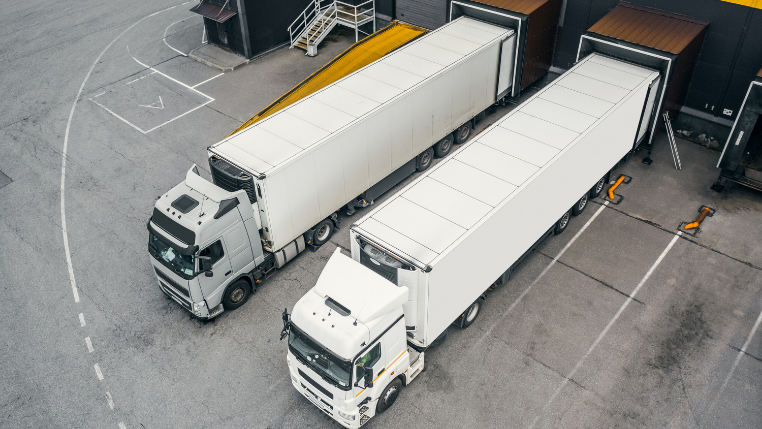
Starting April 1, 2025, a new ICS-2 compliant ENS (Entry Summary Declaration) submission process will come into effect for all road freight transport to or via the European Union, Norway, Switzerland, and Northern Ireland. While the system has been running quietly for years, the new framework introduces significant changes that all Turkish carriers must understand. This guide breaks down exactly what is changing with ICS-2, the difference between Single and Multi Filing, and what your company needs to do to remain compliant for shipments to key ports like Trieste and Sète.
Devamını Oku
.avif)
.avif)
Yılın En İyi Saas
Lojistik Yazılım Ortağınız


© 2015-cari yıl Modaltrans. Tüm hakları saklıdır.
