
04 Jun 26
The World's Largest Ports: A Global Network of Trade and Commerce
Ports like Shanghai, Singapore, Rotterdam, Busan, and Los Angeles are far more than logistics hubs—they are lifelines of global trade. With advanced infrastructure and massive cargo volumes, they connect nations, fuel economies, and ensure goods flow seamlessly across continents.

04 Jun 26
Top 5 Major Ports in China
The top 5 major ports in China—Shanghai, Ningbo-Zhoushan, Shenzhen, Qingdao, and Xiamen—are critical gateways for international trade and global logistics. Each port strengthens China’s dominance in commerce, with Shanghai leading container throughput and Xiamen serving as a Southeast Asia hub. With world-class infrastructure, advanced technology, and seamless connectivity, these ports keep supply chains moving efficiently. For freight forwarders and logistics providers, knowing the strengths of these ports is key to navigating global trade successfully.

04 Jun 26
Top 5 Biggest Container Ships in the World 2023
The biggest container ships in the world are redefining global logistics, with capacities ranging from 23,000 to 24,000 TEUs. Giants like MSC Sixin, CMA CGM Jacques Saadé, Ever Ace, Ocean Alliance vessels, and HMM Algeciras showcase cutting-edge technology, efficiency, and record-breaking size. These mega-ships are set to transform freight forwarding by carrying unprecedented cargo volumes while reducing costs and emissions. For logistics professionals, staying ahead of these developments is essential to remain competitive in the shipping industry.
04 Jun 26
Data-Driven Freight Management: A Guide to Optimizing Your Supply Chain
In today's competitive logistics landscape, relying on intuition is no longer enough. Data-driven freight management has emerged as a transformative solution, providing companies with the insights needed to optimize every aspect of their supply chain. This guide explores the core benefits of leveraging data analytics and automation, from improving performance and reducing costs to enhancing vendor relations and ensuring a resilient supply chain.

04 Jun 26
Uncovering The Differences Between Logistics and Supply Chain Management
In the world of global commerce, the terms logistics and supply chain management are often used interchangeably, but they are not the same. While one is a tactical function focused on the flow of goods, the other is a strategic framework that governs an entire business ecosystem. This definitive guide will clarify the core differences, explain their individual functions, and illustrate how they work together to create a seamless and efficient business operation.

04 Jun 26
FOB in Shipping: A Complete Guide to Its 4 Key Terms
In international trade, FOB (Free on Board) is a critical term that determines who is responsible for goods during transit. It's more than just a label—it's a legal and financial designation that affects everything from freight costs to liability for damage. This guide demystifies the four key ways FOB is used in shipping documents, helping you understand the difference between FOB Origin and FOB Destination, as well as Freight Prepaid and Freight Collect.

04 Jun 26
Streamline Your Business with Freight Invoice Automation – the Advantages You Need to Know
Freight invoice automation is transforming logistics by eliminating manual data entry, costly errors, and delayed payments. By leveraging AI, OCR, and machine learning, businesses can streamline invoice processing, enhance accuracy, and uncover hidden savings. For freight forwarders and shippers, adopting freight invoice automation means faster approvals, reduced costs, and stronger carrier relationships.
04 Jun 26
How a Transparent Negotiation Process Builds Trust and Drives Success in Logistics
In the complex world of logistics, trust is the most valuable currency. A transparent negotiation process is the foundation upon which that trust is built, transforming a competitive dynamic into a collaborative partnership. This guide explores the core principles of negotiation transparency, explaining why it's a strategic asset that enhances efficiency, reduces disputes, and strengthens long-term business relationships in the modern supply chain.
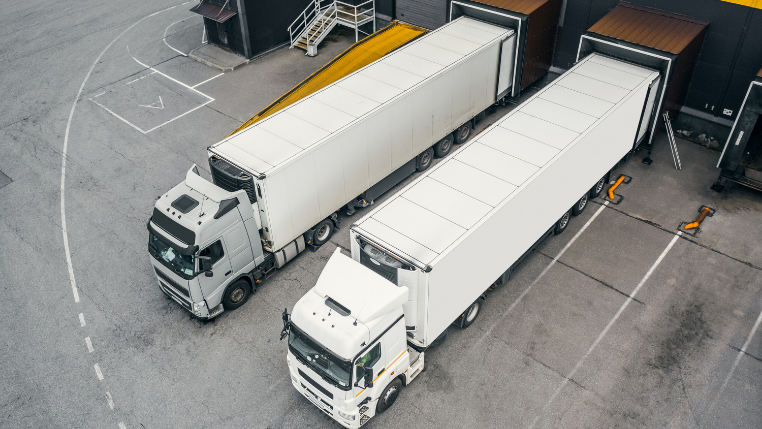
31 Oct 25
Post-ICS-2 ENS Process: What’s Changing at Trieste and Sète Ports?
Starting April 1, 2025, a new ICS-2 compliant ENS (Entry Summary Declaration) submission process will come into effect for all road freight transport to or via the European Union, Norway, Switzerland, and Northern Ireland. While the system has been running quietly for years, the new framework introduces significant changes that all Turkish carriers must understand. This guide breaks down exactly what is changing with ICS-2, the difference between Single and Multi Filing, and what your company needs to do to remain compliant for shipments to key ports like Trieste and Sète.
Devamını Oku
.avif)
.avif)

Yılın En İyi Saas
Lojistik Yazılım Ortağınız


© 2015-cari yıl Modaltrans. Tüm hakları saklıdır.
