Tedarik Zinciri Temelleri




300+

300'den Fazla Şirket Tarafından Güvenilir
31 Oct 25
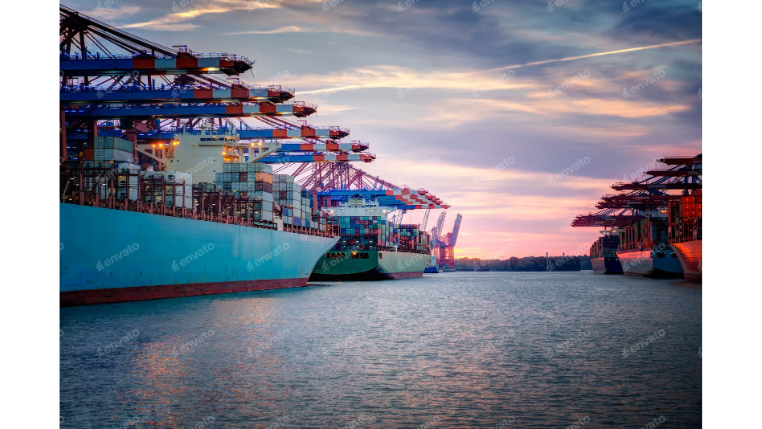
What Is SCAC Code? 2024 List Lookup, Who Needs and How It Works
In the complex world of freight and transportation, a single, four-letter code holds immense power: the SCAC Code. This unique identifier for transportation companies is the backbone of modern logistics, facilitating everything from customs filings to seamless cargo tracking. This comprehensive guide explores what an SCAC code is, its vital role in the 2024 supply chain, who needs one, and how it works to ensure efficiency and compliance.
Read More

04 Jun 26
Understanding DAP vs DDP: Key Differences Explained
In international trade, the three-letter codes known as Incoterms are the universal language defining the responsibilities of buyers and sellers. Among the most common yet frequently confused terms are DAP (Delivered at Place) and DDP (Delivered Duty Paid). While they both sound similar, the distinction between them is critical, involving major differences in risk, cost, and customs obligations. This guide will clearly break down the roles of each party under both terms, helping you decide which one is the right strategic fit for your next shipment.
04 Jun 26
Proforma Invoice vs Commercial Invoice: What's the Difference?
In the language of global trade, both the proforma invoice and the commercial invoice are critical documents, yet they serve distinctly different purposes. While they may look strikingly similar, confusing them can lead to customs delays, payment disputes, and compliance issues. The proforma invoice acts as a preliminary quotation—a "good faith" agreement before a sale is finalized. In contrast, the commercial invoice is the official, legally binding bill of sale issued after the transaction is complete. This guide will compare their functions, timing, and legal implications to help your business navigate international trade with clarity and confidence.
04 Jun 26
Understanding the Role of a Freight Forwarder
In the intricate world of global trade, a freight forwarder acts as the indispensable architect of your supply chain. Serving as a crucial intermediary between shippers and carriers, they navigate the complexities of international logistics to ensure your goods move seamlessly and efficiently across borders. This guide explains exactly what a freight forwarder does, the wide array of services they offer - from customs clearance to strategic optimization - and why partnering with the right one is essential for saving time, reducing costs, and ensuring compliance in your shipping operations.
04 Jun 26
A Comprehensive Guide to Shipper's Letters of Instruction
In international shipping, clear communication is the key to a smooth journey for your cargo. The Shipper’s Letter of Instruction (SLI) stands as one of the most vital documents in this process, acting as a comprehensive instruction manual and formal contract between a shipper and their freight forwarder. This blog explains exactly what an SLI is, breaks down its essential components, and underscores why pinpoint accuracy is critical for avoiding costly delays and compliance headaches. By mastering the SLI, your business can ensure its instructions are executed flawlessly, reducing risk and building a more efficient global logistics operation.
04 Jun 26
The Role of Customs Brokers in the Customs Clearance Process
In any global supply chain, the international border represents the point of greatest complexity and risk. This is where customs brokers become indispensable partners. As licensed professionals specializing in customs law, documentation, and compliance, they act as the crucial intermediary between businesses and government authorities. This blog explores the vital role customs brokers play in streamlining the movement of goods, ensuring regulatory compliance, and minimizing costly delays, highlighting how their expertise is essential for optimizing any modern supply chain.
04 Jun 26
Decoding Ocean Freight Rates: How Are They Determined?
Ocean freight rates are one of the most critical and volatile costs in any global supply chain. While they can seem unpredictable, these rates are calculated based on a clear set of factors, from carrier policies and cargo type to the powerful dynamics of global supply and demand. This blog breaks down the essential components of an ocean freight quote, explores the key drivers that influence pricing, and examines the external forces that can cause rates to fluctuate. By understanding these elements, your business can better forecast costs, strengthen negotiations, and build a more resilient shipping strategy.
04 Jun 26
What is a 40ft High Cube Container
In the world of ocean freight, optimizing space is the key to optimizing cost. The 40ft High Cube (HC) container has become an indispensable tool for shippers, offering a practical and efficient solution for moving tall, bulky, or high-volume goods. With an additional foot of vertical space compared to a standard container, it unlocks significant extra capacity, often for a minimal price difference. This guide provides a detailed breakdown of the 40ft High Cube’s dimensions, benefits, and pallet capacity, helping you make informed decisions to streamline your supply chain.
04 Jun 26
20 Foot Shipping Container Dimensions: A Comprehensive Guide
The standard 20ft container is the fundamental building block of global trade, a true workhorse of the international supply chain. Also known as a dry van or a General Purpose (GP) container, its standardized dimensions revolutionized shipping and logistics. This blog provides a complete guide to the 20ft container, detailing its precise dimensions, usable capacity, pallet configurations, and crucial weight limits. By understanding its features and strategic advantages, your business can optimize load planning, reduce costs, and ensure more efficient shipping operations.

Yılın En İyi Saas
Lojistik Yazılım Ortağınız


© 2015-cari yıl Modaltrans. Tüm hakları saklıdır.
